Repair or Replace? When a Melbourne Roof Is Past Patching
How to tell if your Melbourne roof needs replacing or just a repair — the honest signs a roof plumber looks for before you spend a cent.
By Anthony Heasly
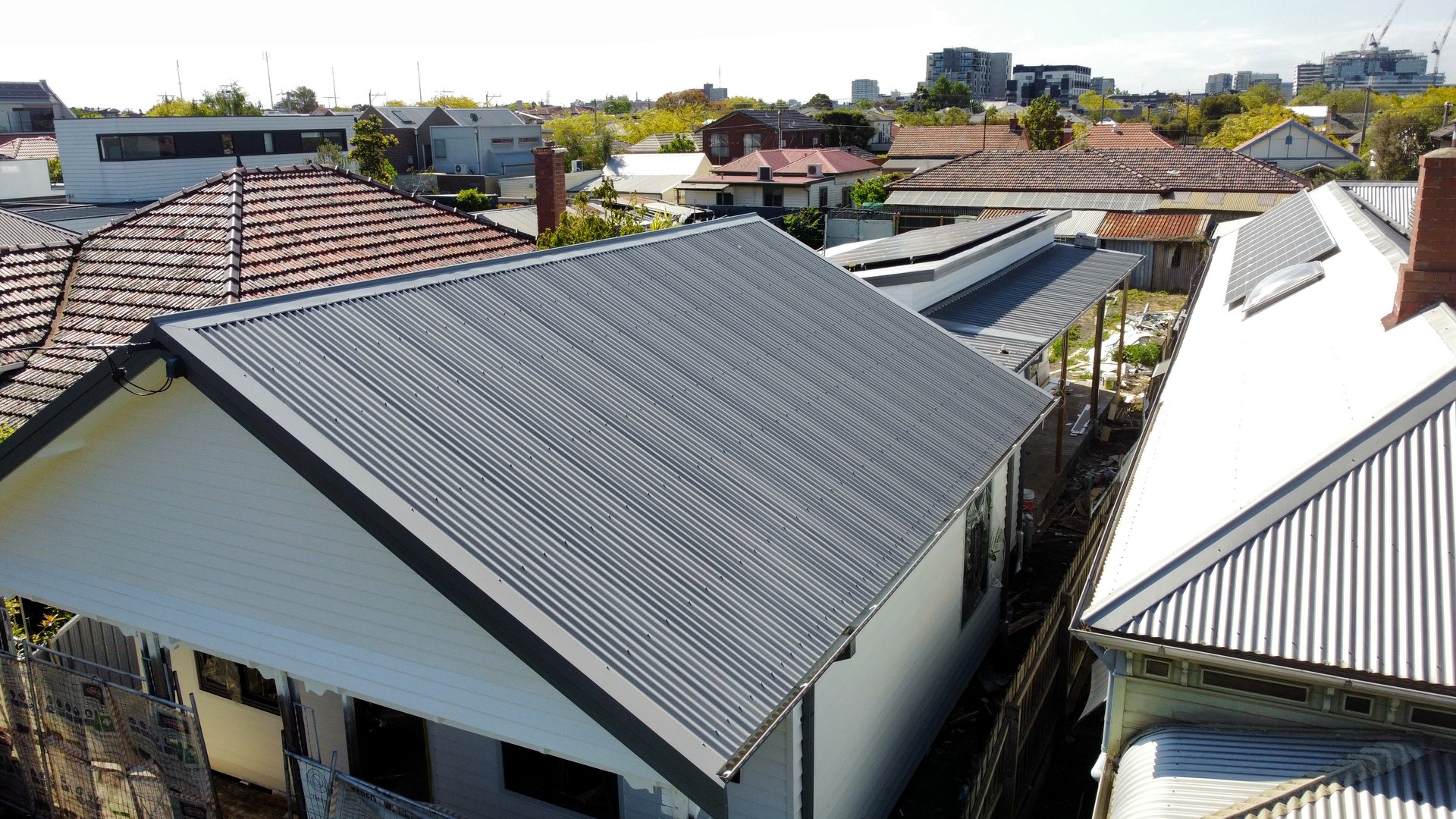
“Do I need a whole new roof, or can you just patch it?” I get asked this every week. And here’s the thing most people don’t expect a roof plumber to say: most of the time, a repair is the right call. A new roof is a big spend, and if a leak is coming from one failed flashing or a split in a valley, you don’t need to re-roof the whole house to fix it.
But there’s a point where patching stops making sense — where you’re just paying to delay the inevitable, and the money you spend on repairs would’ve been better off going toward the replacement you’re going to need anyway. Here’s how I tell the difference on a Melbourne roof.
The quick answer
Repair if the problem is isolated — one leak, a few loose screws, a failed flashing, a cracked seal around a skylight or vent. Replace if the trouble is spread across the whole roof — widespread rust, sheets that are corroded through, valleys and flashings all letting go at once, or a roof that’s had three or four “quick fixes” and still leaks. One problem is a repair. The whole roof giving up is a re-roof.
When a repair is the right call
You’d be surprised how often a leak that’s been driving someone mad for months comes down to one small thing. On metal roofs, the usual suspects are:
- Failed flashings — the metal that seals around chimneys, skylights, walls and valleys. This is where the vast majority of leaks actually come from, not the roof sheets themselves.
- Loose or backed-out screws — twenty years of expansion and contraction and the odd screw lets go. Re-fastening and re-sealing sorts it.
- A single damaged sheet — a branch, a footfall, a bit of storm damage. We can replace one sheet without touching the rest.
- Blocked or split box gutters — a Melbourne classic, especially on older terraces. Often a clean-out and a re-line, not a full job.
If the rest of the roof is sound, chasing the actual fault and fixing it properly is cheaper and smarter than replacing everything. Anyone who looks at a small leak and immediately quotes you a full re-roof is either lazy or having a lend of you.
When you’re throwing good money after bad
Here’s where I’ll tell you straight to stop patching:
- Widespread rust. Surface rust you can treat. But once sheets are corroded through — you can see daylight, or the metal flakes when you touch it — you’re past the point of repair. Patching one rusted sheet on a roof that’s all going the same way just means we’re back in six months for the next one.
- You’ve paid for the same leak three times. If a roof has been “fixed” repeatedly and still lets water in, the problem usually isn’t one spot — it’s that the whole system is tired. Old sarking, perished seals everywhere, flashings that were never right.
- The valleys and flashings are all failing at once. When everything that seals the roof is going at the same time, individual repairs become a game of whack-a-mole.
- Decramastic / “mini-tile” metal roofs. A lot of Melbourne homes from the 70s and 80s have these pressed-metal tiles. Once they start going, they go everywhere, and replacement sheet is a nightmare to match. These are nearly always a re-roof.
- You’re renovating or extending anyway. If the scaffold’s already up and you’re spending on the house, doing the roof at the same time is far cheaper than coming back to it in a couple of years.
The Melbourne-specific stuff
A few things I see over and over on roofs around Melbourne:
Old terracotta and concrete tile roofs are a different animal — they crack, the bedding and pointing on the ridges lets go, and the sarking underneath perishes. We don’t do tile ourselves (we’re metal specialists), so if you’ve got a tile roof I’ll tell you honestly and point you to someone good — no charge, no runaround.
Melbourne’s freeze-nothing-but-lash-you-with-everything weather is hard on box gutters and valleys — the low-pitch internal gutters on a lot of period homes and warehouses. They’re the number-one cause of the “mystery leak” that only shows up in heavy rain. Worth having those checked before you assume the whole roof is shot.
And if your roof is original Zincalume or old Colorbond from the 90s, it may simply have reached the end of its life. A modern Colorbond re-roof in something like Monument, Woodland Grey or Surfmist will outlast it comfortably and lift the look of the whole place.
What a re-roof actually gets you
When replacement is the right call, you’re not just buying a dry house. A proper metal re-roof gets you new sheets, new flashings, new sarking, new fasteners and usually new gutters — the whole watertight system, not a patch. Done right in Colorbond, that’s a 30-to-40-year roof you stop thinking about. That’s the trade-off worth weighing: another few hundred on repairs that buy you a year, versus a roof you don’t touch again for decades.
Frequently asked questions
How do I know if my roof is leaking or it’s just condensation? Condensation shows up as even dampness or drips across a cold morning, often with no rain. A leak follows the weather — it shows up during or after rain, usually in the same spot. If it tracks the rain, it’s a leak.
Is it worth repairing a 25-year-old metal roof? Depends on the metal. If the sheets are sound and it’s a flashing or fastener issue, absolutely repair it. If the sheets themselves are rusting through, you’re better off putting that money toward a re-roof.
Can you replace part of a roof instead of the whole thing? Yes — if the damage is contained to one section (say a back extension) and the rest is sound, we can re-roof just that part. We’ll only recommend the full job when the full roof actually needs it.
How much does a roof replacement cost in Melbourne? It depends on size, pitch, access and what’s under the old roof — anyone quoting a flat figure over the phone is guessing. The honest way is a proper look and a written quote.
Not sure which one you’re up for?
That’s exactly what we’re here for. We’ll get up on the roof, find the real problem, and give you a straight answer — repair if that’s all it needs, replacement if it’s genuinely past it. No scare tactics, no upselling a new roof you don’t need.